
Description
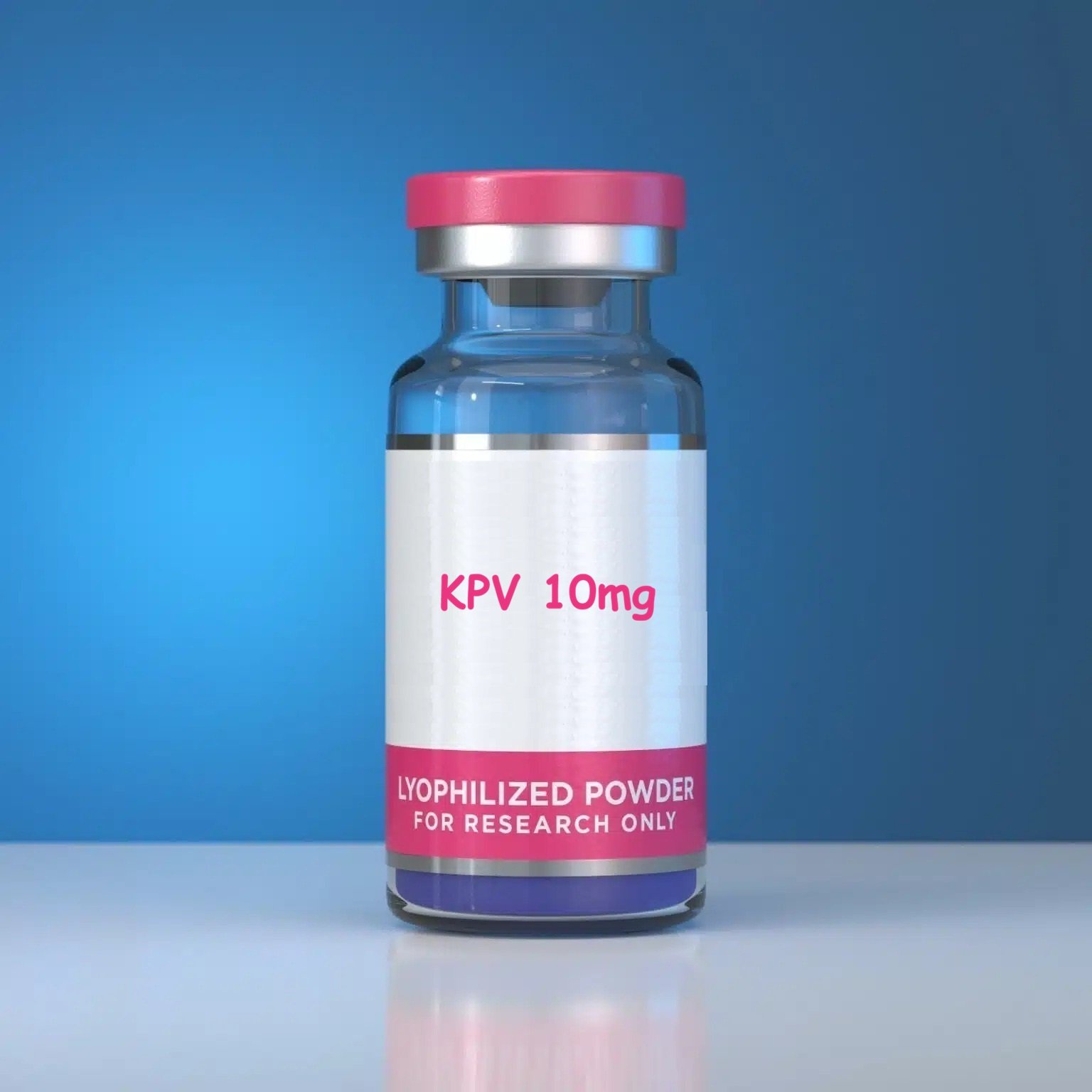
KPV 10mg Research Peptide| 99% Purity | Third Party Tested
KPV 10mg Peptide for sale online at Peptides Link Labs. Premium quality KPV (Lys-Pro-Val) research peptide with verified 99% purity, complete documentation, and fast shipping. Buy KPV alpha-MSH tripeptide fragment from a trusted laboratory supplier.
Why Researchers Choose Our KPV Peptide
Our KPV (Lys-Pro-Val) research peptide represents the gold standard for anti-inflammatory, gut-barrier, and melanocortin pathway research requiring exceptional purity and documentation. Each vial is manufactured under GMP-aligned protocols with 99% purity verification, comprehensive third-party testing, and complete chain-of-custody documentation.
Key Trust Factors of KPV 10mg Peptide:
- Third-party tested and verified by independent laboratories
- Manufactured under GMP-aligned procedures
- 99% purity with HPLC and MS verification
- Lot-matched COA included with every order
- Fast shipping with proper cold-chain handling
- Research-grade quality trusted by laboratories nationwide
What is KPV? Complete Research Overview
KPV (Lysine-Proline-Valine) is a synthetic tripeptide corresponding to the C-terminal fragment (residues 11 to 13) of alpha-melanocyte-stimulating hormone (alpha-MSH). This research compound retains much of the anti-inflammatory activity of the parent alpha-MSH molecule while lacking its pigmentary effects, making it a primary focus of inflammation, immune-signaling, and mucosal-barrier research. KPV is studied for its ability to modulate inflammatory pathways at the cellular level, including nuclear factor kappa B (NF-kB) signaling.
Chemical Properties of KPV 10mg:
- Molecular Formula: C16H30N4O4
- Molecular Weight: 342.44 g/mol
- Sequence: Lys-Pro-Val (KPV)
- CAS Number: 67727-97-3
- Purity: 99% (HPLC verified)
- Stability: Stable under proper storage conditions
- Structure: Linear tripeptide, C-terminal fragment of alpha-MSH
KPV Research Applications & Mechanisms
Primary Research Focus Areas:
1. Anti-Inflammatory Research
KPV research demonstrates significant effects on inflammatory signaling through downregulation of pro-inflammatory mediators. Studies indicate the peptide influences NF-kB and MAPK pathways associated with the cellular inflammatory response.
2. Gut-Barrier & Mucosal Research
Laboratory research shows KPV may support intestinal epithelial integrity, making it valuable for studying colitis models, mucosal healing, and gut-barrier function in various research models.
3. Immune Modulation Studies
Research indicates KPV can be taken up by cells via the peptide transporter PepT1, allowing direct intracellular action on immune-signaling targets. This property makes it significant for immunopharmacology and cytokine research applications.
4. Wound Healing & Tissue Research
Preclinical studies suggest KPV may influence tissue repair processes and inflammatory resolution through melanocortin-related pathway modulation in research models.
Clinical Research & Scientific Studies of KPV 10mg
Anti-Inflammatory Research Studies
A study published in the Journal of Immunology examined KPV’s effects on inflammatory signaling in preclinical models. Researchers found that KPV treatment significantly reduced pro-inflammatory cytokine expression through inhibition of NF-kB activation.
Study Results:
- Dose-dependent reductions in inflammatory marker expression
- Inhibition of NF-kB nuclear translocation
- Reduced pro-inflammatory cytokine production
- Preserved epithelial barrier integrity in model systems
- Rapid intracellular uptake via PepT1 transport
Mucosal Barrier Research Findings
Research published in Gastroenterology demonstrated KPV’s effects on intestinal epithelial models, showing reduced inflammatory injury, improved barrier resistance, and attenuated leukocyte infiltration compared to untreated controls.
Immunopharmacology Research Applications
Studies in the Journal of Biological Chemistry explored KPV’s cellular uptake and intracellular signaling effects, demonstrating PepT1-mediated transport, receptor-independent anti-inflammatory activity, and dose-dependent modulation of immune signaling in experimental models.
KPV vs Alpha-MSH: Research Comparison
| Property | KPV | Alpha-MSH |
|---|---|---|
| Structure | Tripeptide (Lys-Pro-Val) | Full 13-amino-acid peptide |
| Primary Research Focus | Anti-inflammatory, gut barrier | Pigmentation, appetite, inflammation |
| Pigmentary Effects | Minimal | Significant |
| Cellular Uptake | PepT1-mediated | Receptor-mediated |
| Size | Small, stable fragment | Larger, full sequence |
| Selectivity | Focused anti-inflammatory | Broader |
KPV Specifications That Matter
Quality Control Standards:
- Identity Verification: Confirmed via HPLC and Mass Spectrometry
- Purity Analysis: 99% by multiple analytical methods
- Endotoxin Testing: <10 EU/mg
- Water Content: <5% by Karl Fischer
- Form: Sterile lyophilized powder
- Packaging: Type I borosilicate glass vials
- Storage: 2-8°C (short term), -20°C (long term)
Laboratory Usage & Reconstitution Protocol of KPV 10mg
Reconstitution Guidelines:
- Solvent Selection: Use sterile bacteriostatic water or appropriate buffer
- Concentration: Calculate based on experimental requirements
- Mixing: Add solvent slowly to vial wall, swirl gently
- Storage: Reconstituted solution stable 30 days at 2-8°C
- Handling: Use sterile technique throughout process
Recommended Laboratory Protocols:
- Inflammation Studies: Follow established anti-inflammatory research protocols
- Cell Uptake Assays: Prepare fresh dilutions for each experiment
- Storage Buffer: PBS with 0.1% BSA recommended
- Aliquoting: Prepare working concentrations to minimize freeze-thaw cycles
Frequently Asked Questions (FAQ) of KPV 10mg
Q: What makes KPV different from other melanocortin peptides?
A: KPV is the small C-terminal tripeptide fragment of alpha-MSH. It retains much of the anti-inflammatory activity of the parent peptide while lacking the pigmentary effects, giving it a more focused research profile.
Q: How pure is your KPV?
A: Our KPV exceeds 99% purity as verified by HPLC and mass spectrometry, with complete analytical documentation provided with each batch.
Q: Can KPV be combined with other research peptides?
A: Many researchers study KPV in combination with other repair or anti-inflammatory compounds such as BPC-157. Ensure compatibility and stability in your experimental conditions.
Q: How should KPV be stored?
A: Lyophilized KPV remains stable at room temperature for weeks but should be stored at 2-8°C for optimal longevity. Once reconstituted, use within 30 days when refrigerated.
Q: What pathways does KPV target?
A: KPV primarily acts on intracellular inflammatory signaling pathways, including NF-kB and MAPK, and is transported into cells via the PepT1 peptide transporter.
Research Disclaimer & Legal Notice of KPV 10mg
Important Research Use Only Statement:
This KPV (Lys-Pro-Val) research peptide is supplied exclusively for in-vitro laboratory research and scientific investigation purposes.
Disclaimer: For laboratory research use only.
Reviews
There are no reviews yet.