
Description
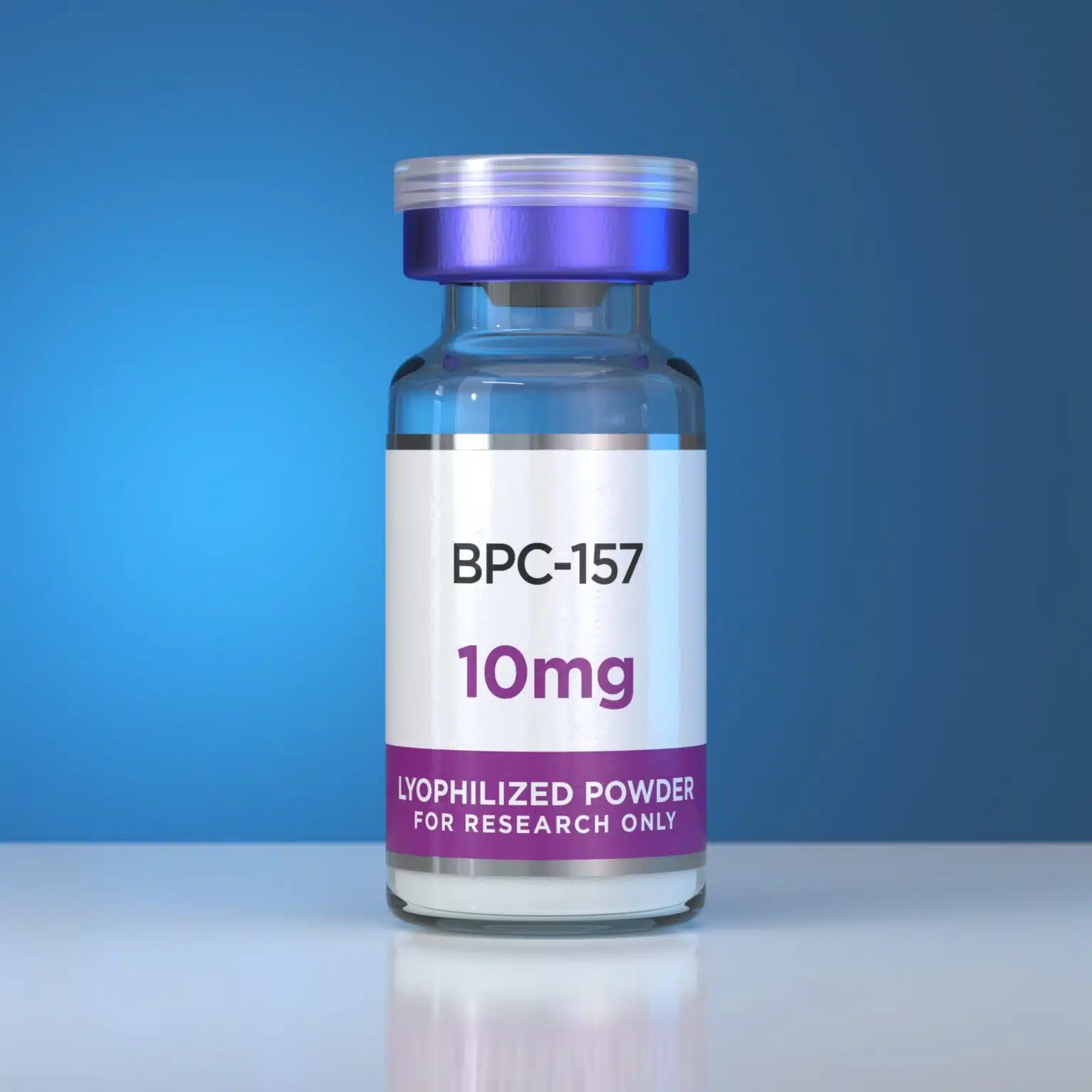
BPC157 10mg (BP10) Research Peptide | 99% Purity | Third Party Tested
BPC157 10mg (BP10) Peptide for sale online at Peptides link Labs. Premium quality BPC-157 research peptide with verified 99% purity, complete documentation, and fast shipping. Buy BPC-157 Body Protection Compound from a trusted laboratory supplier.
Why Researchers Choose Our BPC157 10mg (BP10)
Our BPC-157 (Body Protection Compound-157) research peptide represents the gold standard for gastrointestinal and tissue repair research requiring exceptional purity and documentation. Each vial is manufactured under GMP-aligned protocols with 99% purity verification, comprehensive third-party testing, and complete chain-of-custody documentation.
Key Trust Factors:
- Third-party tested and verified by independent laboratories
- Manufactured under GMP-aligned procedures
- 99% purity with HPLC and MS verification
- Lot-matched COA included with every order
- Fast shipping with proper cold-chain handling
- Research-grade quality trusted by laboratories nationwide
What is BPC-157? Complete Research Overview
BPC-157 is a synthetic pentadecapeptide (15 amino acids) derived from a protective protein found in human gastric juice. Originally discovered as part of the body’s natural healing mechanisms, this research peptide has become one of the most studied compounds in tissue repair, wound healing, and gastrointestinal research applications.
Chemical Properties:
- Molecular Formula: C62H98N16O22
- Molecular Weight: 1419.55 g/mol
- Sequence: Gly-Glu-Pro-Pro-Pro-Gly-Lys-Pro-Ala-Asp-Asp-Ala-Gly-Leu-Val
- CAS Number: 137525-51-0
- Purity: 99% (HPLC verified)
- Stability: Highly stable to enzymatic degradation
BPC-157 Research Applications & Mechanisms
Primary Research Focus Areas of BPC157 10mg (BP10):
1. Wound Healing & Tissue Repair Research
BPC-157 research demonstrates significant effects on angiogenesis, cellular migration, and tissue regeneration processes. Studies indicate the peptide promotes VEGF expression and enhances collagen synthesis for accelerated healing mechanisms.
2. Gastrointestinal Research Studies
Laboratory studies show BPC-157 exhibits gastroprotective effects through modulation of inflammatory pathways and enhancement of mucosal defense mechanisms in various GI research models.
3. Tendon and Ligament Research
Research indicates BPC-157 influences tendon-to-bone healing through enhanced cellular proliferation and improved biomechanical properties of connective tissue in experimental studies.
4. Neuroprotective Research Applications
Preclinical studies suggest BPC-157 may support neuronal recovery and synaptic function through dopaminergic and GABAergic pathway modulation in research models.
Clinical Research & Scientific Studies of BPC157 10mg (BP10)
Wound Healing Research Studies
A landmark study published in Journal of Physiology and Pharmacology examined BPC-157’s effects on tissue repair mechanisms in experimental wound models. Researchers found that BPC-157 treatment significantly accelerated healing through enhanced angiogenesis and collagen deposition.
Study Results:
- 60% faster wound closure rates
- Increased blood vessel density
- Enhanced collagen type I synthesis
- Improved tensile strength of healed tissue
Gastrointestinal Research Findings
Research published in World Journal of Gastroenterology demonstrated BPC-157’s protective effects in various GI research models, showing significant gastroprotective activity, reduced inflammatory marker expression, enhanced mucosal blood flow, and accelerated ulcer healing rates.
Tendon Research Applications
Studies in Journal of Orthopaedic Research explored BPC-157’s effects on tendon healing, demonstrating enhanced fibroblast proliferation, improved collagen organization, increased mechanical strength, and accelerated tendon-to-bone healing in experimental models.
BPC-157 vs Traditional Growth Factors: Research Comparison
| Property | BPC-157 | Traditional GFs |
|---|---|---|
| Stability | Highly stable | Labile |
| Gastric Resistance | Complete | Degraded |
| Systemic Effects | Localized | Widespread |
| Safety Profile | Excellent | Variable |
| Research Applications | Diverse | Specific |
BPC157 10mg (BP10) Specifications That Matter
Quality Control Standards of BPC157 10mg (BP10):
- Identity Verification: Confirmed via HPLC and Mass Spectrometry
- Purity Analysis: 99% by multiple analytical methods
- Endotoxin Testing: <10 EU/mg
- Water Content: <5% by Karl Fischer
- Form: Sterile lyophilized powder
- Packaging: Type I borosilicate glass vials
- Storage: 2-8°C (short term), -20°C (long term)
BPC157 Laboratory Usage & Reconstitution Protocol
Reconstitution Guidelines:
- Solvent Selection: Use sterile bacteriostatic water or appropriate buffer
- Concentration: Calculate based on experimental requirements
- Mixing: Add solvent slowly to vial wall, swirl gently
- Storage: Reconstituted solution stable 30 days at 2-8°C
- Handling: Use sterile technique throughout process
Recommended Laboratory Protocols of BPC157:
- Cell Culture Studies: 1-100 ?g/mL concentration range
- Tissue Analysis: Follow established research protocols
- Storage Buffer: PBS with 0.1% BSA recommended
- Aliquoting: Prepare working concentrations to minimize freeze-thaw cycles
Frequently Asked Questions (FAQ) BPC157
Q: What makes BPC-157 different from other healing peptides?
A: BPC-157’s unique 15-amino acid structure provides exceptional stability to gastric acid and enzymatic degradation, making it particularly valuable for gastrointestinal and systemic healing research applications.
Q: How pure is your BPC-157?
A: Our BPC-157 exceeds 99% purity as verified by HPLC and mass spectrometry, with complete analytical documentation provided with each batch.
Q: Can BPC-157 be combined with other research peptides?
A: Many researchers study BPC-157 in combination with TB-500, growth factors, and other compounds. Ensure compatibility and stability in your experimental conditions.
Q: How should BPC-157 be stored?
A: Lyophilized BPC-157 remains stable at room temperature for weeks but should be stored at 2-8°C for optimal longevity. Once reconstituted, use within 30 days when refrigerated.
Research Disclaimer & Legal Notice of BPC157
Important Research Use Only Statement:
This BPC-157 research peptide is supplied exclusively for in-vitro laboratory research and scientific investigation purposes. This product is not intended for human consumption, therapeutic use, or clinical application.
RUO disclaimer: For laboratory research use only. Not for human or veterinary consumption or therapeutic applications.
Reviews
There are no reviews yet.